
The Netherlands builds its own NixOS-based govt desktop: it claims to be built in public, block by block, and anyone can review the code and/or its long-term outcomes. That’s their project behind DAWO (Digitally Autonomous WOrkplace), a community that brings together the Dutch gov, the tech industry, and civil society around some shared goals: FOSS digital workspace that can be inspected, trusted, audited, and replaced piece by piece.
Promoted by communities that develops, in open & replaceable blocks, towards digital work cultures for public admin with verifiable tools, techies & cloud. Unlike mushrooming unicorns and their 24/7 auto-spying app ventures via joint entities of big daddies + govt everywhere, this EU project claims to be non-commercial, and possibly be transparent of its every bit / qubit?
It sounds like accountable frameworks that may tackle any government’s digital stack, covering the OS, office suite, collaboration apps, cloud services, IT management tools, and AI, with all of it being built around NixOS foundation.
It splits the problem into blocks (AI, operating system, cloud, and collaboration) that integrate with each other and allows every part to be inspected, disposed and replaced, as needed. That architecture is DAWO’s central bet against sets of seemingly global tech problems and AI-mess we have been discussing for years: dependence on fancy kick-backing, monopolistic oligarchs and aggressive tech providers (led by likes of Epstein lobbyists) to secretly operate the govt sector digital infra and brainwash related systems.
Denmark and France are also making similar open source moves, where one is ditching MS services for their road traffic authority and the other is pushing Linux switch across ministries, with thousands of health employees already moving to Frankish tools.
Use of Linux is growing on the desktop, because many become disgusted by how MS has turned Windows into an advert platform for surveillance and a vehicle for AI slops. Rather than buying new PCs or Laptops, a growing number of people installs Linux, because support for Windows 10 has ended and they can’t upgrade their old systems to Windows 11 due to arbitrary restrictions.
Likewise, many people are equally disenchanted with Android and iOS , which undergirds the monopolies of Android market, restrictions and rising prices of Apple’s “walled garden” on iPhone – yet the options to escape this smartphone duopoly are shrinking for consumers due to lack of (deliberate?) any gov policies / regulations for hardware bootloader unlocking and mandatory security T&C. 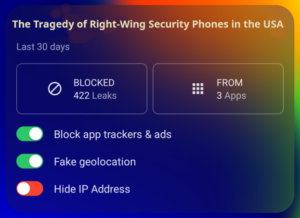 People who wanted to gain some control over their digital lives could unlock the bootloader on their phone and install Linux or AOSP derivative such as LineageOS, Debian Droidian, Ubuntu Phone, CalyxOS, GrapheneOS, however even the mobile hardware industry is increasingly shutting off this escape valve.
Consumer Smartphone Workspace is also moving away from closed business models based on planned obsolescence toward ones based on surveillance capitalism, and phone / OS / app makers also don’t want their users to opt out of their system architecture, removing options to unlock phone bootloaders and making it harder for phone owners to gain root access. That way they can recoup the cost of providing more years of support for their phones by monetizing users’ data.
Unlike in Europe, where privacy phones are marketed to customers of all political stripes, companies in U.S. and elsewhere market privacy phones exclusively to right-wing partisans. Sadly, many of the people who have bought these phones not only overpaid for what they got, but the software support for all these phones is very questionable at best. Not only has this fragmented the market, but the failures of these privacy phones with right-wing marketing have led some people to believe that privacy phones are scams, which has harmed the perception of these phones in general.
Mobile brands which have good policies for bootloader unlocking has shrunk from 44% to about 6% of global smartphone market over last few years. 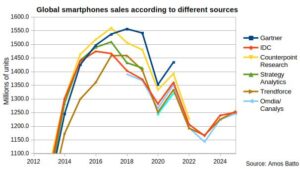 Brands which allow their bootloaders to be unlocked (without major restrictions like Xiaomi) only sold about 87 million phones in 2025, including Lenovo / Motorola (60M), Google (12M), OnePlus (12M), Nothing (2M), GigaSet (>1M), Sony (400k), Fairphone (145k), SHIFT (10k), Teracube, Volla and Brax. Together those brands only represent 7% of the 1245 million total smartphones sold in 2025.
Many selling Linux SBC (single board computers) don’t have public forums for their customers and poorly use social media and online advertising to promote their products. Critical factor in success is publicizing Linux phones to attract the niche customers who care about Linux, hardware / software freedom, privacy or security. For the sake of software freedom, online privacy and greater longevity of devices, similar concerted projects are also needed to promote mobile on Pure Linux, Unix, BSD etc. Ref: Posts of Amos Batto